Do women negotiate worse than men?
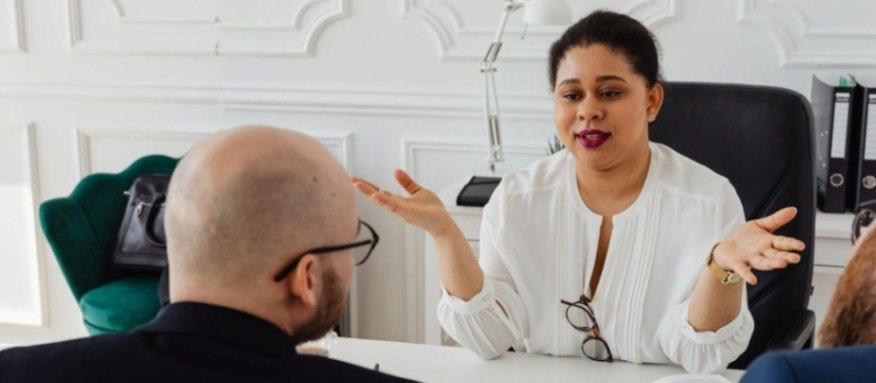
In Switzerland, all women and men have the right to equal pay for equal work or work of equal value. However, if you look at the figures from the Federal Statistical Office (FSO), it quickly becomes clear that there are wage differences between the sexes. According to the FSO, some of these differences can be explained by objective factors such as education, professional position, work experience or similar. However, the remaining share, slightly more than half of the wage differences, cannot be explained by objective factors and is therefore most likely attributable to gender. Is it because women are simply less successful in negotiating for their pay? No, this so-called “gender pay gap” is by no means only the result of different negotiating behavior; the answer is much more complex. However, there are still significant differences in the way men and women conduct pay negotiations and the results they achieve. And these results have far-reaching consequences.
Women don't ask? Wrong!
A study from 2024 investigated the question of whether the “women don't ask” pattern still applies among working adults today. For over two decades, gender-specific differences in the willingness to negotiate have been seen as an explanation for the gender pay gap. The researchers found that women negotiate their salary even more frequently than men and that the willingness to negotiate has increased over time - both among men and women, but to a greater extent among women. The study also showed that the belief that women do not negotiate their pay reinforces gender stereotyping and that it goes hand in hand with both a stronger justification of the system and weaker support for equal pay legislation. Thus, the pay gap may not result from women not negotiating for their pay often enough, but women also appear to negotiate differently to men. What are the different factors that contribute to these differences and what possible solutions are available?
Self-perception and confidence
A key difference between men and women in salary negotiations lies in self-perception and confidence. Studies have shown that men often enter negotiations with greater self-confidence and demand higher salaries. This can be attributed to a stronger self-perception of their abilities and performance. Women, on the other hand, tend to underestimate their skills and are often more cautious when formulating their salary expectations. These differences in self-confidence can have a direct impact on the outcome of negotiations, as confident demands often lead to better results. Interestingly, these differences already occur in children, as a recently published study shows. The researchers write: "Our results suggest that boys tend to overestimate their abilities compared to girls - and compared to their actual performance. This inflated self-perception may make boys feel more entitled to push the boundaries in negotiations."
Negotiation style
Men and women often differ in their negotiation style. Men tend to negotiate more directly and competitively, which is often perceived as more aggressive. Women, on the other hand, often prefer a cooperative approach that focuses on compromise and collaboration. This difference in style can result in women being less aggressive in negotiations and potentially achieving less favorable outcomes. However, a cooperative approach can also have advantages, especially in negotiation situations involving long-term relationships.
Social expectations and role models
Social expectations and traditional role models play an important role in salary negotiations. Women who are perceived as too demanding or aggressive in negotiations run the risk of being judged negatively, as outlined in another study. These social norms can discourage women from asserting their salary expectations. Men, on the other hand, are often encouraged to assert their interests and be perceived as assertive. These different expectations can put women at a disadvantage in negotiation situations.
Networks and mentoring
Professional networks and mentoring are key factors that can influence success in salary negotiations. Men often have access to stronger professional networks and mentoring relationships that can benefit them in salary negotiations. These networks not only provide support and advice, but also valuable information on industry standard salaries and negotiation tactics. Women, on the other hand, often have less access to such resources, which can weaken their negotiating position. Building strong networks and promoting mentoring programs for women are therefore crucial to closing this gap.
Impact on career
The differences in salary negotiations have a long-term impact on women's career development. Lower starting salaries and less aggressive negotiations can lead to a persistent pay gap that widens over the course of a career. This contributes to the gender pay gap that persists in many industries. The pay gap not only has a financial impact, but also affects job satisfaction and opportunities for career development.
Solutions
Targeted measures are required to overcome the differences in wage negotiations between men and women:
- Create awareness: Companies should raise awareness of the gender gap in salary negotiations and provide training that empowers women in negotiation situations.
- Promote mentoring and networking: Building strong networks and promoting mentoring programs for women can help them improve their negotiation skills and gain access to valuable resources.
- Change corporate culture: A corporate culture that promotes and supports gender equality can help reduce gender bias and empower women in negotiations.
- Transparency in salaries: Transparency in salaries and salary structures can help to uncover and eliminate unequal pay.
By implementing these measures, a fairer and more balanced negotiation landscape can be created that offers equal opportunities for women and men.
Are you interested in the topic of negotiations?
Our two-day module Strategische Verhandlungen (in German) provides an introduction to the theory and practice of negotiations. Participants learn basic skills and strategies for negotiating successfully in a wide range of professional situations. The lessons are broken up with short exercises, video clips from well-known films and a role play.
The course is led by Prof. Dr. Michael Ambühl, from whose wealth of experience the participants can benefit. He worked as a diplomat at the FDFA for 30 years, during which time he negotiated several agreements with the EU, the USA, Germany, Austria, the UK and others. He also mediated in the Iran-US nuclear conflict and between Armenia and Turkey.
Text: Linda Betschart