Building Resilient Global Supply Chains in a World of Uncertainty
The CFO Roundtable 2026 examined how business leaders can strengthen supply chain resilience amid geopolitical, technological, and economic uncertainty.
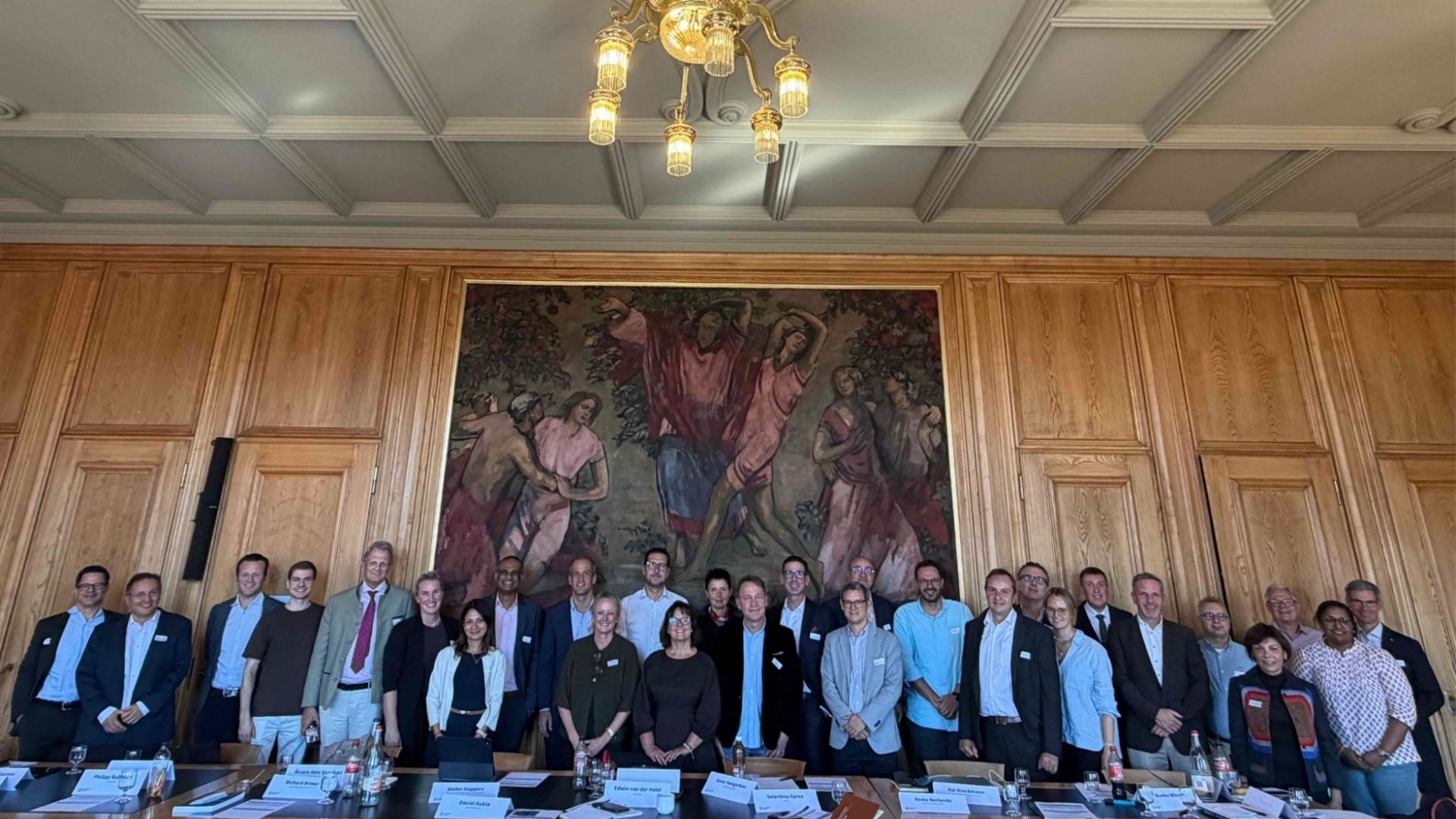
In an era marked by geopolitical uncertainty, economic volatility, technological disruption, and growing sustainability requirements, building resilient supply chains has become a strategic priority for organizations worldwide. Against this backdrop, the CFO Roundtable 2026, jointly organized by FBxperts and Executive Education at the University of Zurich, brought together around 40 CFOs, senior executives, and supply chain experts to discuss how resilience can be strengthened across global value chains.
Throughout the day, speakers from academia and industry explored how organizations can build resilience in an increasingly interconnected and unpredictable environment. Discussions ranged from sustainability and critical component management to artificial intelligence and geopolitics, providing a holistic perspective on the future of global supply chains.
Resilience as a Strategic Leadership Imperative
The event was opened by Patricio Ohle (CFO & Founder of FBxperts) and André Doutreval (Head of Marketing & Sales), who represented the Executive Education team of the University of Zurich on behalf of CEO, Jürgen Brücker. The discussions were also joined by Prof. Dr. Walter Farkas, Professor at the Department of Finance at the University of Zurich and co-initiator of the CFO Roundtable series, which has established itself as a trusted platform for dialogue between senior finance leaders, industry experts and academia.
They welcomed participants and introduced the overarching theme of the day: Global Supply Chain Resilience – Management of Critical Components, Working Capital Management and Risks. They highlighted how increasingly interconnected global markets, geopolitical uncertainty, technological transformation, and growing regulatory requirements are forcing organizations to rethink how they manage their supply chains. In this environment, transparency, adaptability, and informed decision-making are becoming essential capabilities for long-term success.
Exploring Resilience from Multiple Perspectives
The discussions that followed explored resilience through multiple lenses, including sustainability, risk management, digital transformation, artificial intelligence, and geopolitical developments. Together, the speakers demonstrated that resilience cannot be achieved through a single initiative. It emerges from the interplay of transparency, collaboration, strategic foresight, and the ability to act decisively in complex environments.
Sustainability Beyond Compliance
Prof. Dr. Tarkan Tan, Department of Business Administration, University of Zurich
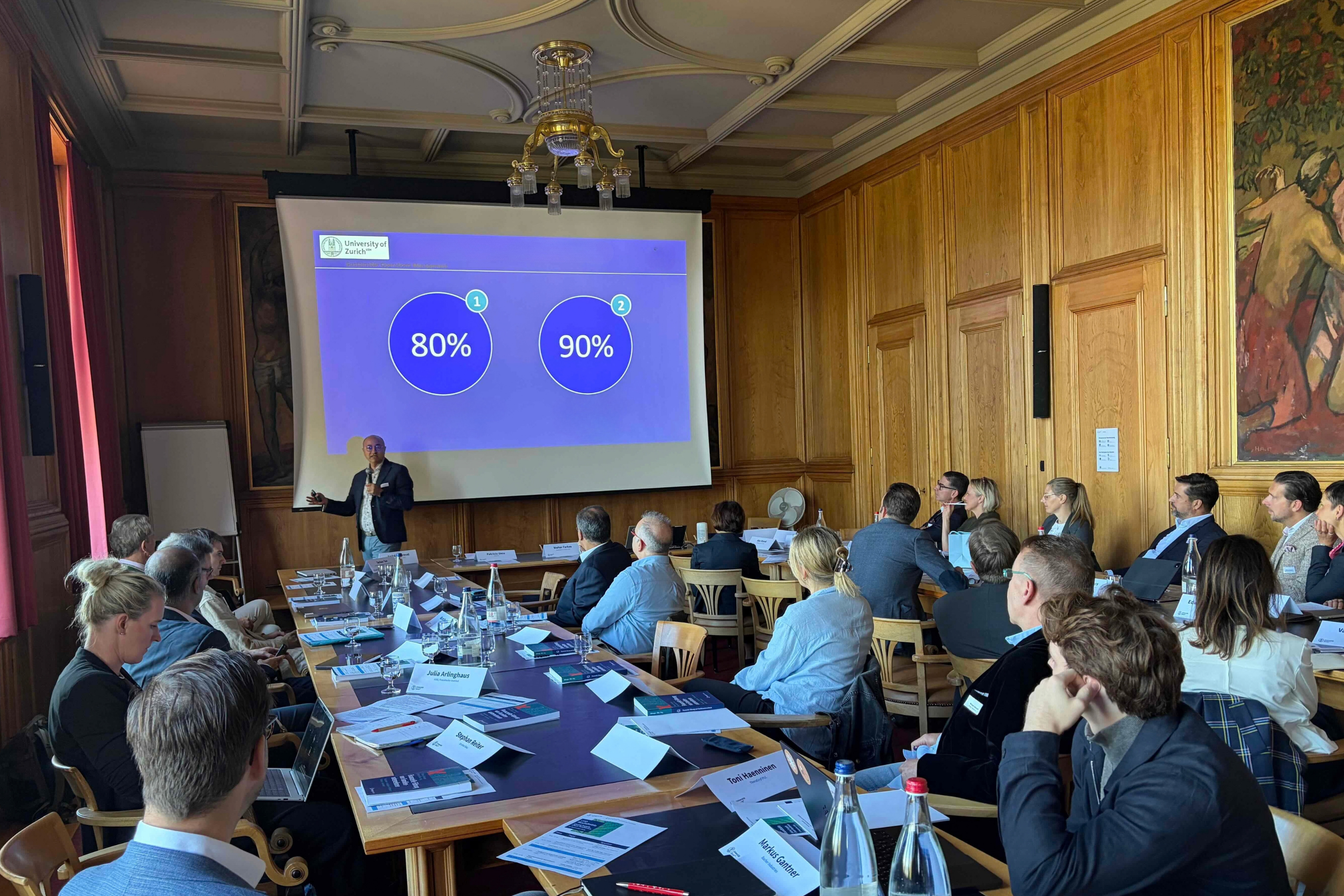
The academic keynote by Prof. Dr. Tarkan Tan focused on the environmental and social sustainability of global supply chains. He demonstrated that a significant share of sustainability-related impacts and risks arise outside a company's own operations, across complex supplier networks that often span multiple countries and continents.
While audits and compliance programs continue to play an important role, the discussion questioned whether traditional monitoring approaches alone are sufficient to create meaningful change. Instead, sustainable improvements require stronger collaboration with suppliers, greater transparency, and a better understanding of the underlying data.
His presentation reinforced the notion that organizations cannot outsource responsibility for sustainability. Rather, they must actively engage with their partners and supply networks to drive lasting improvements. As Prof. Tan summarized: “Measuring is the first step in sustainable operational management.”
While sustainability highlighted the importance of understanding supply chain impacts, the next session focused on how organizations can proactively prepare for disruption.
Building Organizational Preparedness Before Disruption Occurs
Suraj Mathew, Kearney
Suraj Mathew focused on the strategic dimensions of resilience. He defined resilience as the ability to successfully respond to change and disruptions without compromising customer-relevant performance commitments that matter.
Using practical examples, he demonstrated that resilient organizations do not simply react to crises. Rather, they actively build flexibility and optionality long before disruptions occur. Standardized components, diversified sourcing strategies, flexible manufacturing structures, and digital planning tools all contribute to an organization's ability to adapt quickly when unexpected events arise.
His central message was clear: resilience should not be viewed as a cost burden, but as a deliberate investment in future competitiveness.
If resilience requires better preparation, it also requires better visibility. This theme was explored by Alvaro Amo, Rahel Langenegger and Alexandre de Perregaux.
Transparency as the First Step Towards Resilience
Alvaro Amo & Rahel Langenegger, Hexagon
Alexandre de Perregaux, Intellyse
Representatives from Hexagon and Intellyse demonstrated how greater transparency can unlock substantial value across supply chains. Their starting point was a seemingly straightforward challenge: understanding and managing global freight costs.
By systematically collecting, structuring, and analyzing logistics data, organizations can gain valuable insights that support more informed decision-making. The speakers showed that the greatest benefits often extend beyond direct cost savings. Data transparency helps organizations better understand the interdependencies between logistics, operations, procurement, and finance, creating a stronger foundation for resilience.
The speakers also highlighted that supply chain decisions are increasingly shaped by changing trade-offs between cost, service levels, risk exposure, sustainability requirements, and working capital. As these trade-offs continuously shift due to internal and external developments, creating data-driven and AI-supported transparency helps organizations build a shared understanding across functions, accelerate decision-making, and respond more flexibly to change. In this way, transparency becomes a key enabler of resilience.
Building on the importance of transparency and supply chain visibility, the next session explored how organizations can translate these insights into effective risk management and resilience strategies.
Understanding Critical Components and Hidden Dependencies
John Sobeck, ZF Friedrichshafen
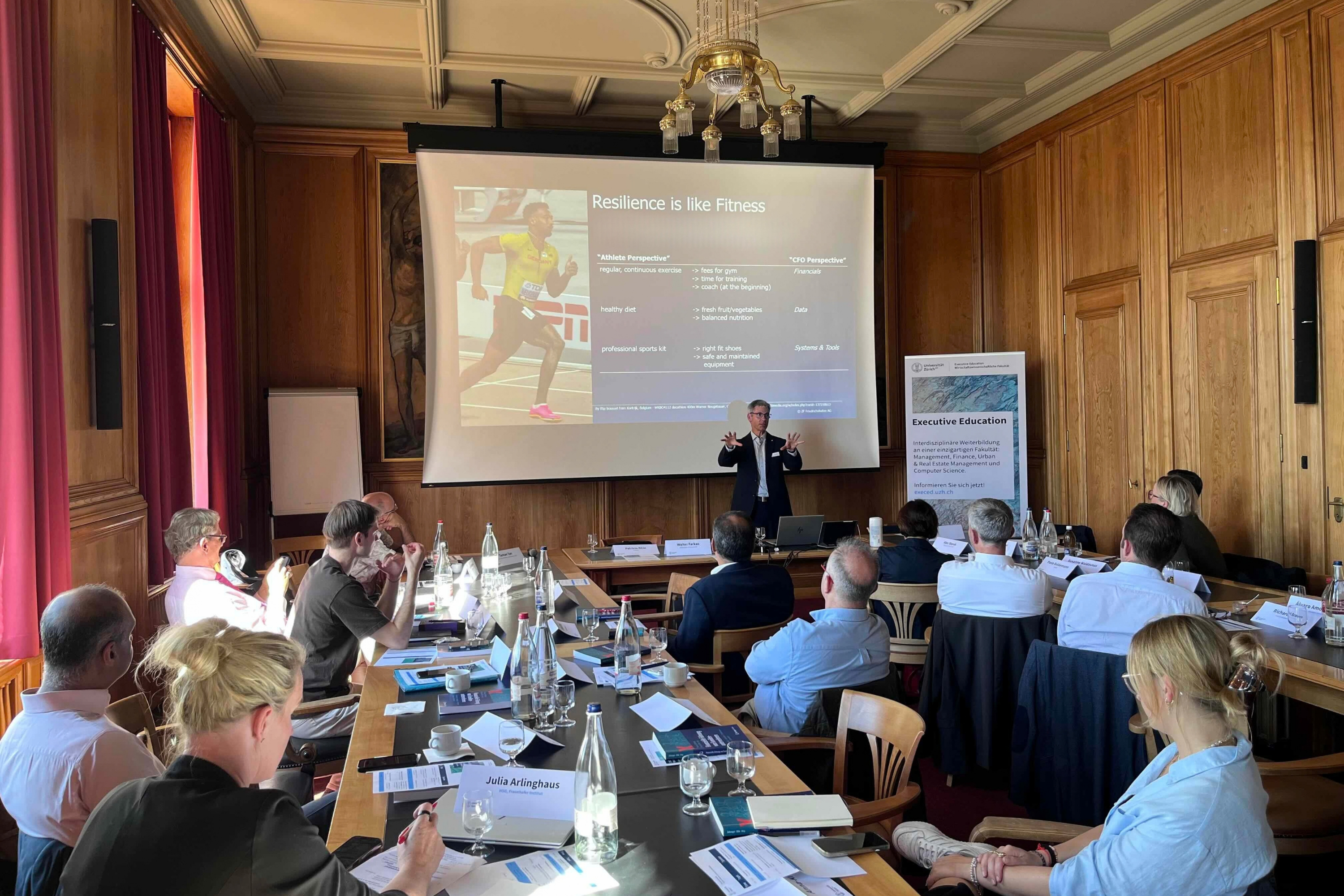
Building on the discussion around transparency and visibility, John Sobeck shared how ZF Friedrichshafen identifies critical components, manages supply chain risks, and strengthens resilience across complex supplier networks.
He demonstrated the importance of visibility beyond direct suppliers, extending to Tier 2 and Tier 3 suppliers. Leveraging digital end-to-end supply chain systems, the company can rapidly assess the impact of disruptions on individual components, production facilities, and customer operations.
The examples showed that resilience emerges when organizations understand their dependencies, identify vulnerabilities early, and prepare response options before disruptions occur.
One of the most striking insights was that critical components often pose greater risks than individual suppliers themselves.
Summarizing his perspective, John Sobeck remarked: “When it rains, it pours.”
Reflecting the complexity of today's risk environment, he observed: "Supply Chain Resilience is becoming increasingly a multi-fold task."
While ZF focused on critical components, IKEA demonstrated how resilience can be embedded across an entire global value chain.
Leveraging Technology, Partnerships and AI
Susanne Waidzunas, IKEA
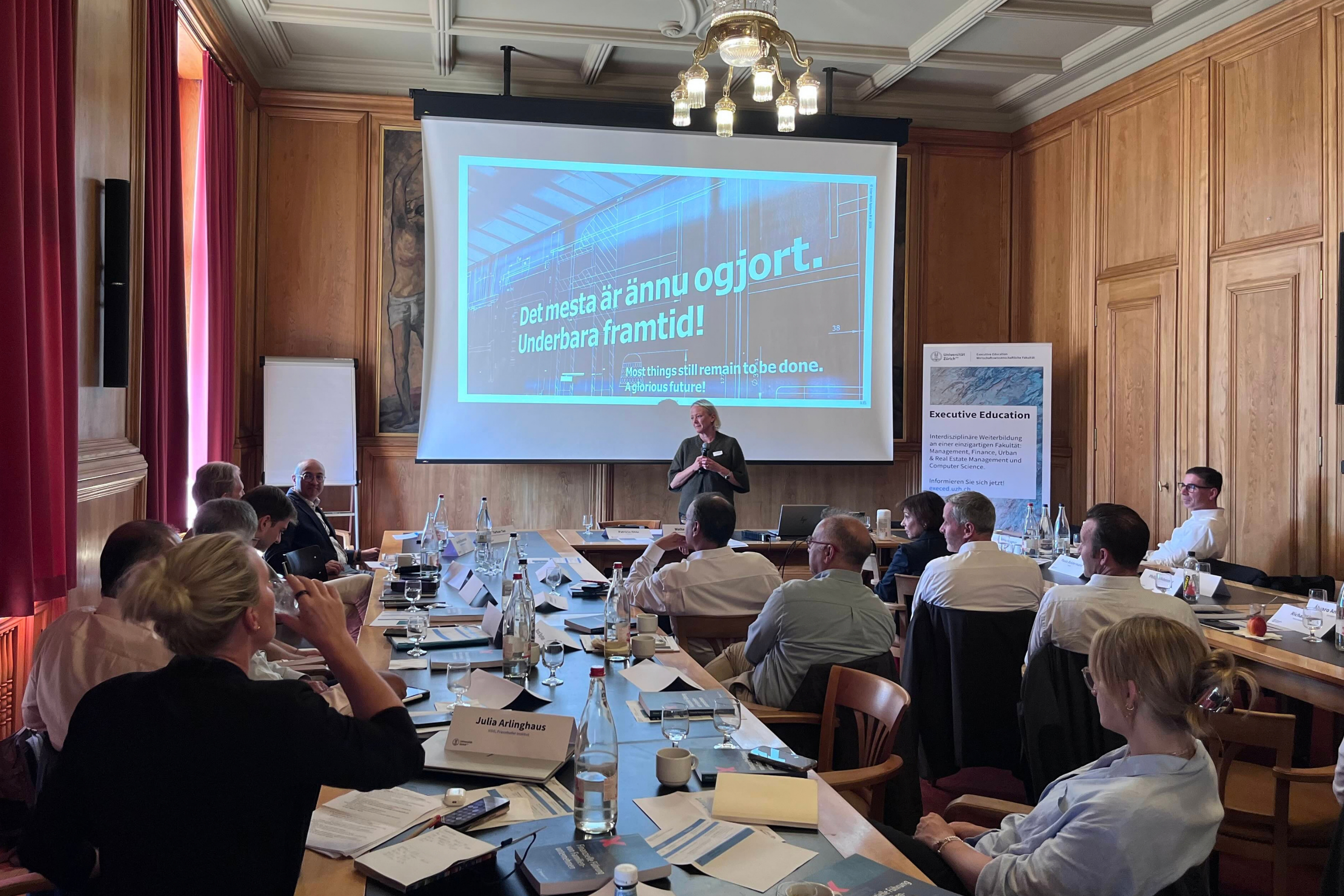
Susanne Waidzunas offered a fascinating look into IKEA’s global supply chain network and sourcing strategy.
Her presentation illustrated the complexity of managing a worldwide ecosystem of suppliers, distribution centers, and transportation networks while remaining true to IKEA’s core principles of affordability and efficiency.
She highlighted the importance of long-term partnerships, continuous cost focus, and the growing role of digital technologies and artificial intelligence. A key message was that AI should not be viewed as a replacement for human expertise, but rather as a tool that enhances human decision-making and increases organizational scalability and resilience.
Looking beyond current technologies, the discussion then turned to the next generation of AI-enabled supply chains.
Agentic AI and the Future of Supply Chains
Prof. Dr. Julia Arlinghaus, HSG
Looking ahead, Prof. Dr. Julia Arlinghaus explored how Agentic AI could transform logistics and supply chain management in the coming years.
She opened her presentation by examining principles of swarm intelligence observed in bees and ants, drawing parallels between natural and artificial systems. Just as simple behavioral rules can create sophisticated collective intelligence in nature, future AI systems may be able to collaborate autonomously to achieve complex organizational objectives.
Arlinghaus argued that the critical challenge of the future will no longer be access to information but rather the ability to transform information into decisions and actions. Agentic AI systems may increasingly operate independently within predefined governance frameworks, creating new opportunities but also new questions about responsibility, oversight, and accountability.
At the same time, she emphasized that many digital transformation initiatives fail not because of technological limitations but due to inadequate processes, poor data quality, or insufficient organizational acceptance. Reflecting on the broader implications of technological change, she concluded: “In a time of massive transformation, business and society need resilient, intelligent and sustainable solutions across the value chain.”
While technology offers powerful tools for resilience, external geopolitical developments continue to shape the boundaries within which supply chains operate.
The keynote that followed addressed the growing impact of geopolitics on global supply chains.
Navigating the Geopolitical Challenges of Global Supply Chains
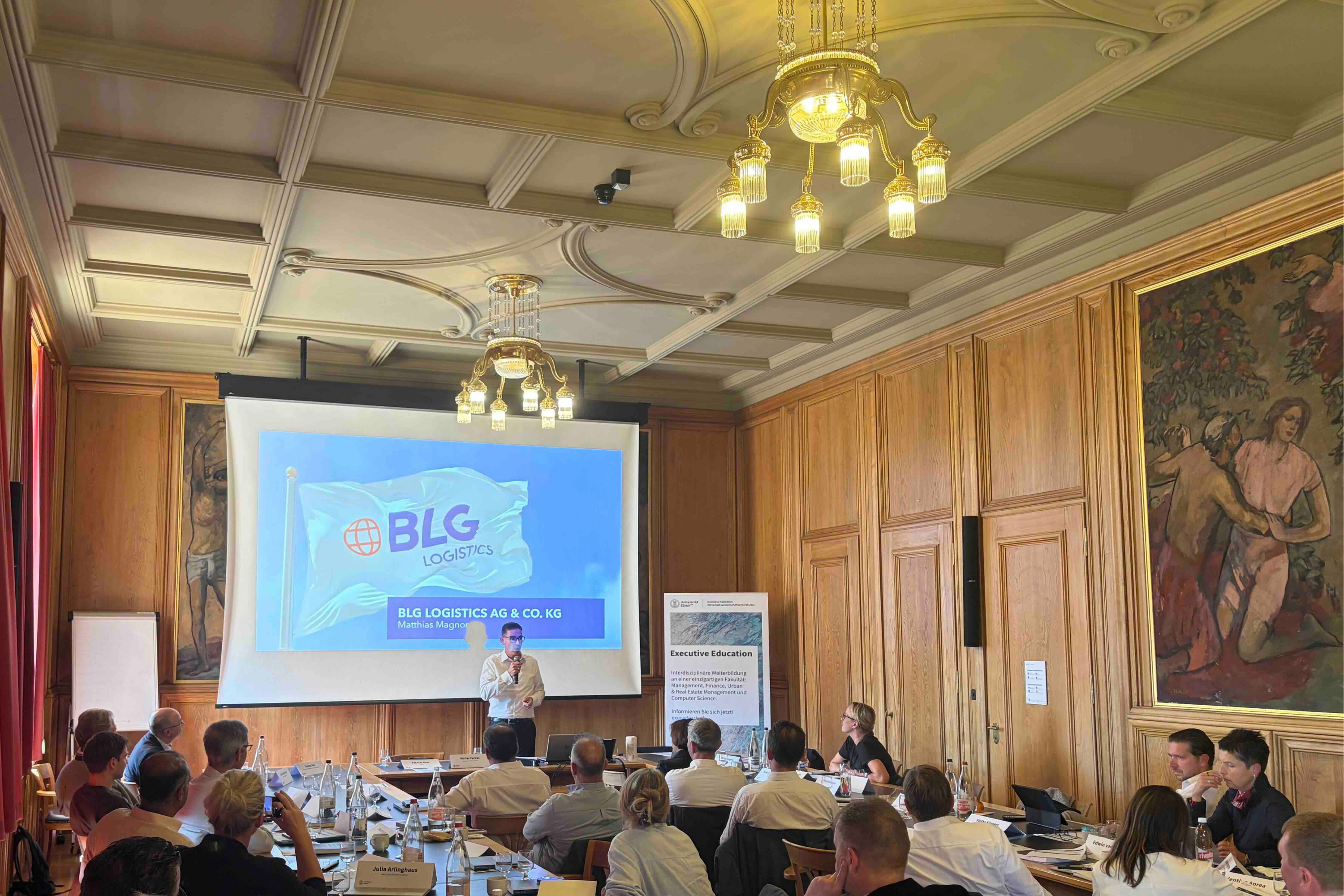
Matthias Magnor, BLG Logistics Group
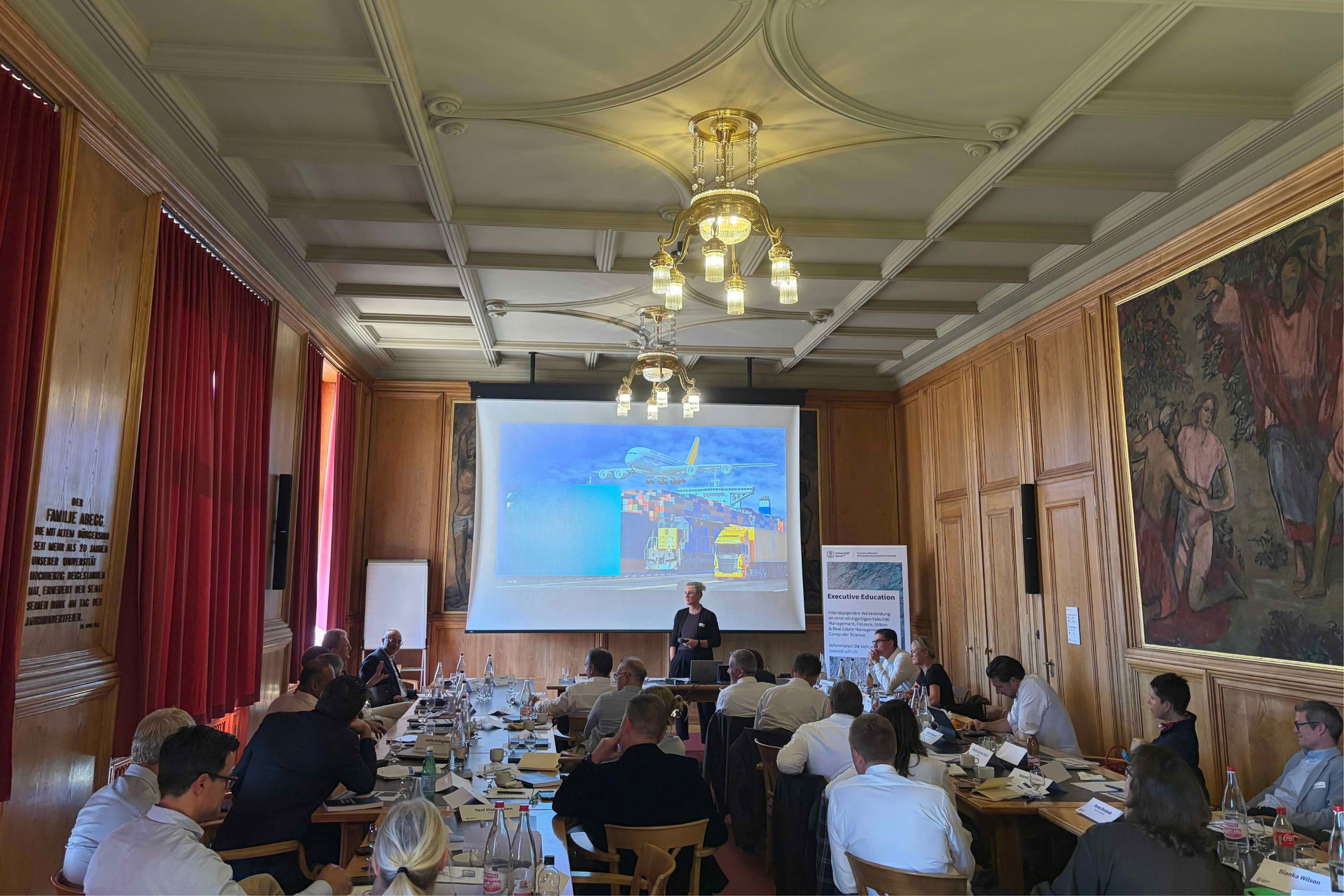
Matthias Magnor illustrated how trade routes, port infrastructure, access to resources, geopolitical tensions, and shifting economic power structures increasingly shape business operations and strategic decisions.
Despite these challenges, he highlighted the remarkable adaptability of global trade networks and supply chains. Summarizing this dynamic, he offered a memorable observation: “Trade is like water, it always finds a way.”
The statement captured the idea that supply chains continuously evolve in response to changing conditions.
Rather than attempting to eliminate every risk, he argued that organizations should consciously decide where they are willing to accept dependencies and where greater resilience is strategically required.
From Insights to Action
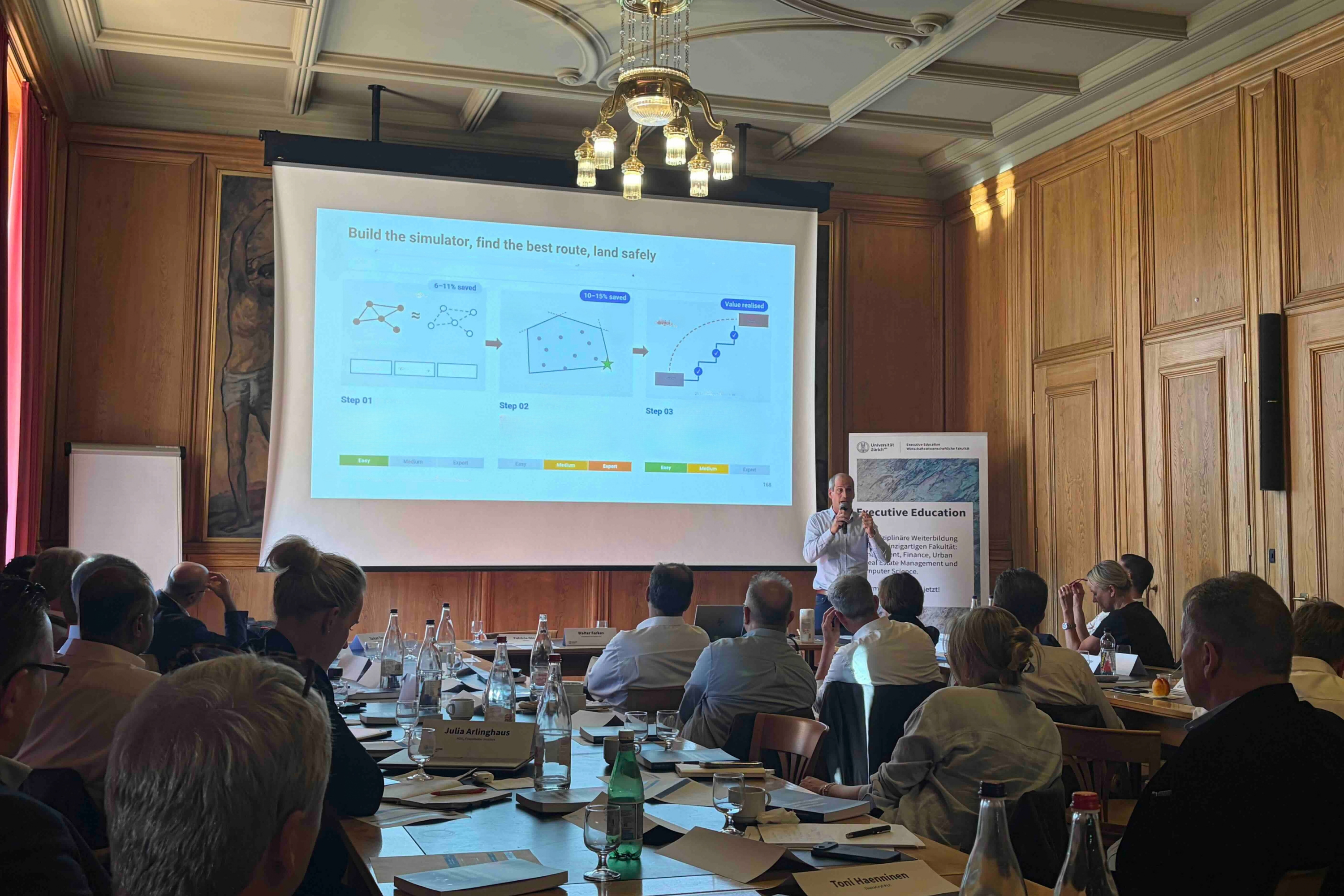
Sandro Brändle, Log-hub AG
To conclude the event, Sandro Brändle reflected on the key themes that emerged throughout the day and translated them into practical implications for organizations.
He emphasized that resilience is not created through isolated technologies, strategies, or processes. Rather, it is the result of successfully integrating all these elements into a coherent operating model. Collaboration between finance, operations, procurement, and supply chain functions is therefore becoming increasingly important.
He further highlighted the growing role of supply chain simulations and mathematical optimization models in supporting resilience. By evaluating different network configurations and disruption scenarios before they occur, organizations can better understand vulnerabilities, quantify trade-offs, and identify actions that improve both agility and performance.
In a business environment characterized by uncertainty and constant change, organizations must be able to act decisively and adapt quickly to new realities.
His conclusion perfectly captured the spirit of the event: resilient organizations are not those that avoid crises, but those that remain capable of acting effectively when uncertainty arises.
Key Takeaways
Although the speakers approached resilience from different perspectives, a number of common themes emerged throughout the day. Together, they paint a clear picture of what organizations need to strengthen their supply chains and remain competitive in an increasingly uncertain environment:
- Resilience is built long before disruptions occur.
- Transparency is the foundation for informed decision-making.
- Digitalization and AI are powerful enablers but not substitutes for leadership and sound governance.
- Critical component management requires visibility beyond direct suppliers.
- Sustainability and resilience are increasingly interconnected.
- Cross-functional collaboration is essential for navigating uncertainty.
- Geopolitical developments will continue to shape global supply chains and strategic business decisions.
- Supply chain simulations and mathematical optimization provide a practical foundation for resilience.
Looking Ahead
Across all presentations, one message remained consistent: resilience is not defined by the absence of disruption, but by the ability to anticipate, adapt, and respond effectively when disruption occurs.
This insight ultimately shaped the overarching conclusion of the CFO Roundtable 2026: Resilience is not built during a crisis. It is built through transparency, trusted partnerships, technological capabilities, and the ability to make informed decisions in an increasingly uncertain world. Organizations that understand their critical dependencies, anticipate risks, and develop strategic flexibility will be best positioned to thrive in the years ahead.